How to Become a UGC Creator in 2026 (No Following Required)
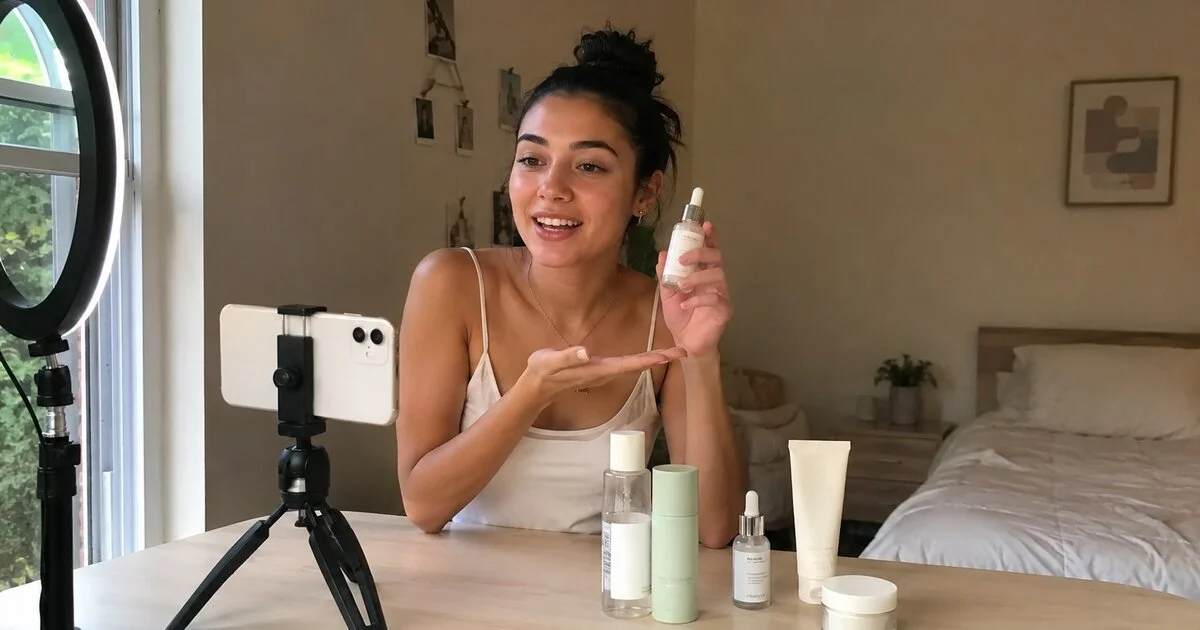
Here's the part nobody tells you: you don't need a following to get paid for making content. UGC creators make videos for brands to use in their own ads — so the brand brings the audience, you bring the content. And brands are hungry for it: in 2024, 77% of shoppers said they're more likely to buy a product after seeing real customer content (Bazaarvoice, "UGC statistics to know", 2024). That demand is why this job exists.
This guide is the honest version: what a UGC creator actually does, what you'll really make, and the exact steps to land your first paid gig — even if your camera roll is just photos of your dog right now.
The short version
UGC = content brands use in their marketing. No personal following required.
Beginner rates run $50–$100/video; experienced creators hit $250–$500+ (UGCJobs, 2026).
You need a phone, a niche, and 3 sample videos — not a studio.
The hardest part isn't filming. It's pitching. (More on fixing that below.)
What does a UGC creator actually do?
A UGC creator makes authentic, ad-style content that a brand pays for and runs on its own channels — product pages, paid ads, the brand's TikTok. You're not posting it to your account. That's the whole trick, and it's why "how many followers do I need" is the wrong question. For the full breakdown, here's our deeper guide on what a UGC creator is.
People mix up UGC creators and influencers constantly. They're different jobs:
UGC creatorInfluencerFollowing neededNoneLarge, engaged audienceWhat you sellThe content itselfAccess to your audienceWhere it runsThe brand's ads & pagesYour own feedYou're paid forFootage you deliverReach + postingSkill that matters mostMaking good contentGrowing an audience
Why do brands want this instead of a glossy studio ad? Trust. As far back as Nielsen's global trust research, 92% of people said they trust recommendations and earned-style content over traditional ads (Nielsen, "Global Trust in Advertising", 2012) — and that instinct has only hardened since. UGC reads like a recommendation, not a billboard.
How much can UGC creators actually make?
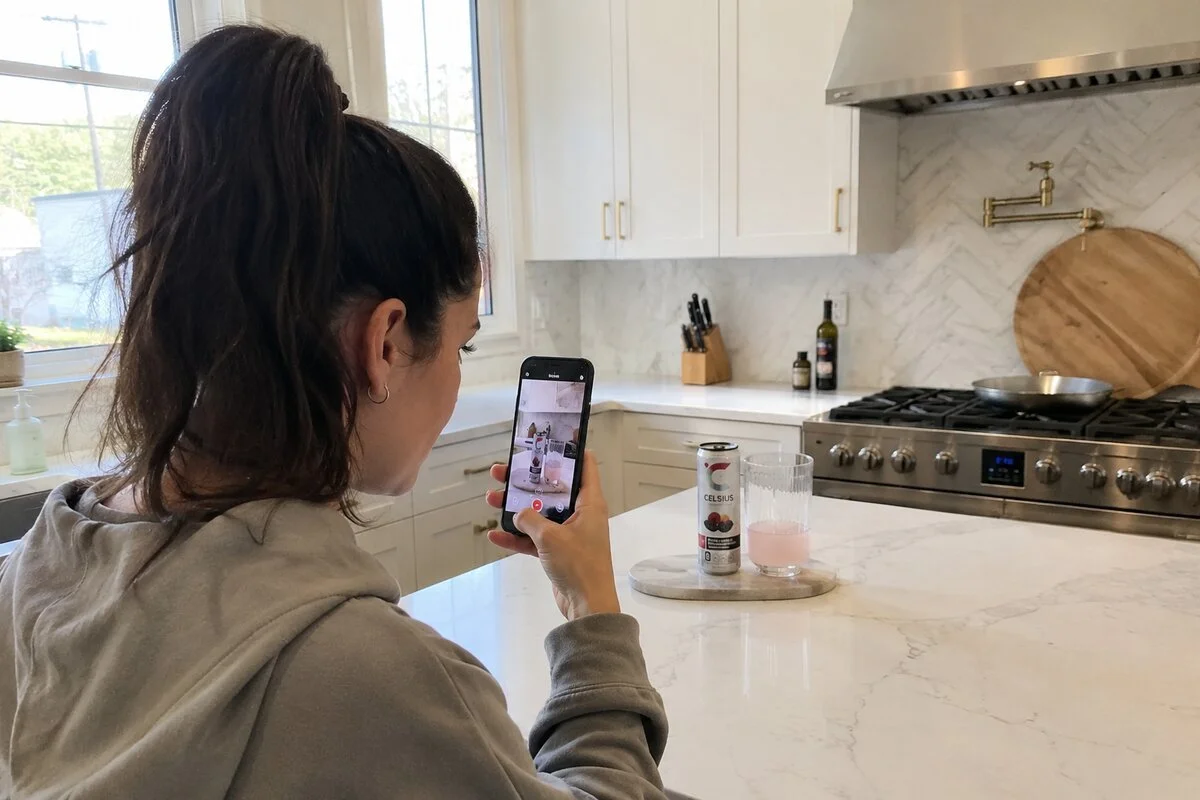
In 2026, UGC rates climb with experience: beginners earn $50–$100 per video and experts pull $500–$1,500+, with full-time US creators averaging $48,000–$72,000 a year (UGCJobs, "How Much Do UGC Creators Make in 2026", 2026). Nobody starts at the top — but the on-ramp is real, and it's faster than building an audience from scratch.
ExperienceTypical rate per videoBeginner (0–6 months)$50 – $100Intermediate (6–12 months)$100 – $250Experienced (1–2 years)$250 – $500Expert (2+ years)$500 – $1,500+
We see the same range at Trovio. In our own May 2026 data, creators who landed brand deals through Trovio's outreach averaged about $1.4K each in combined value — paid fees plus product and gifting. The standouts weren't the biggest accounts; they were the most consistent pitchers.
A quick gut-check before you quit your day job: those beginner numbers are per finished, approved video, and your first month will be slow. The creators who make real money treat it like a craft, not a lottery ticket. For how to price yourself once you've got a few under your belt, see our rate card guide.
How do you become a UGC creator? (6 steps)
You become a UGC creator by picking a niche, filming 3 sample videos, packaging them into a portfolio, and pitching brands directly — no application gatekeeper required. The demand backs it up: the UGC platform market is projected to grow from $8.48 billion in 2026 to $64.31 billion by 2034 (Fortune Business Insights, "User-Generated Content Platform Market", 2026). Here's the path.
1. Pick a niche you actually use
Brands hire creators who already get their product. Skincare, supplements, apps, home gadgets — pick a lane where you own the stuff and can talk about it without a script. Authenticity is the product here: consumers are 2.4x more likely to call user content authentic than brand-made content (Stackla/Nosto consumer survey, 2019). They can smell a fake.
2. Set up your "studio" (it's your phone)
A recent phone, a $15 tripod, and a window with daylight will get you 90% of the way. That's not me being encouraging — that's the actual bar. Brands want content that looks like a real person filmed it, because that's what converts.
3. Film 3 spec videos
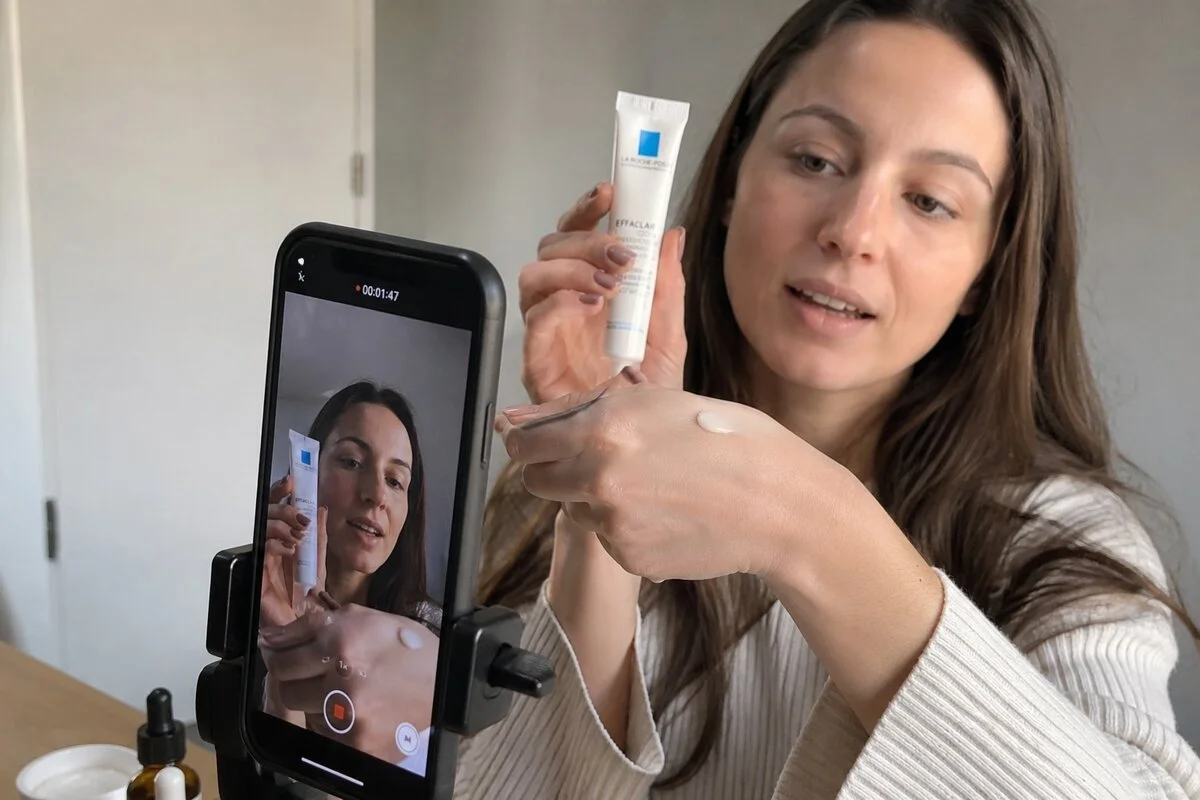
You can't sell what you can't show. Make three sample videos for products you already own — an unboxing, a "3 reasons I love this," and a problem/solution demo. These become your calling card. Don't wait for a client to "let" you start.
What we see at Trovio: the creators who land gigs fastest aren't the most talented filmers — they're the ones who batch 3–5 spec videos before pitching, so they always have something to show. Having samples ready beats having a bigger camera.
4. Build a portfolio
Drop those three videos into a simple portfolio brands can skim in 30 seconds. This is the single biggest thing separating people who get hired from people who don't. Our media kit guide walks through exactly what to include.
5. Set your starting rates
Start at the beginner band ($50–$100/video), and raise as your portfolio grows. Don't undercharge to "get experience" forever — that's a trap. For the full pricing logic, see how much to charge.
6. Pitch brands directly
This is where most people freeze. You find brands, you email them, you attach your portfolio. We'll fix the scary part in the next section. For where to find the gigs, jump to our UGC jobs guide.
What gear and skills do you really need?
Less than you'd think. You need a phone that shoots 1080p, natural light, and the ability to talk to a camera like it's a friend. That's the baseline — and it's deliberately low, because brands are buying relatability, not cinematography. The proof is in the returns: brands earn about $4 back for every $1 spent on user-generated content (Bazaarvoice, 2024), and that's driven by trust, not production budget.
The skills that actually compound: writing a tight hook (first 3 seconds), editing in CapCut, and hitting a brief on time. The last one is underrated. The creators who get rebooked are the ones who are easy to work with, not the ones with the fanciest gear.
How do you land your first UGC job?
You land your first job by pitching consistently — most beginners send dozens of pitches before the first yes, and that's normal, not a sign you're bad at this. Brands are actively buying: 67% of retailers plan to increase their UGC investment (Bazaarvoice, 2024). The bottleneck isn't demand. It's outreach volume and follow-through.
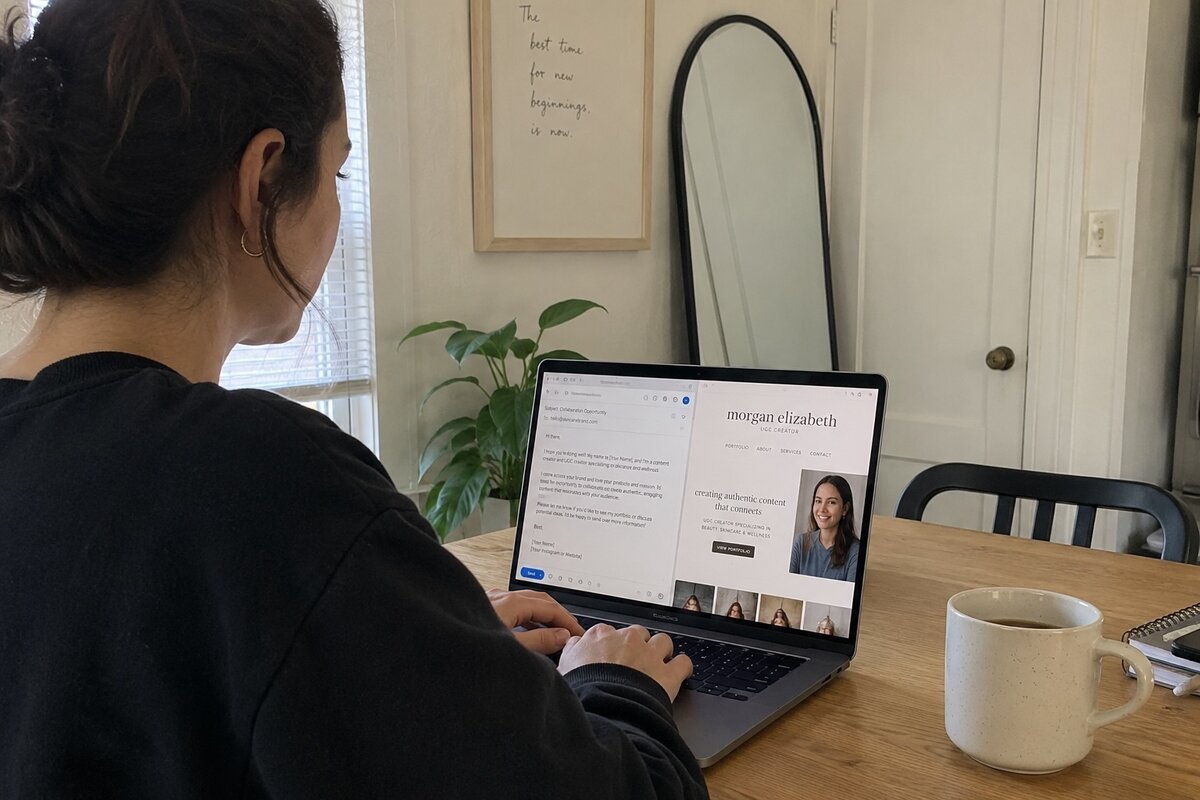
Three places to start: UGC marketplaces (Billo, Insense, Collabstr), brands you already buy from (DM or email their marketing inbox), and your own network. For a fuller map of where the work lives, see our guide to UGC jobs.
Here's the honest truth about pitching: it's repetitive, it's a little soul-crushing, and it's the #1 reason people quit before they start earning. You're writing the same email 40 times and hearing nothing back.
What we see at Trovio: the pitches that get replies are personalized to the brand — and that's exactly the part people burn out on. Trovio learns your voice and drafts those pitches for you, then helps build the portfolio you attach. And because we never take a cut of your deals, it works for creators of every size, not just the ones already making bank.
More on the outreach playbook in our how to get brand deals.
Your UGC Starter Checklist
Work through this in order. Don't skip step 3 to get to step 6 — the people who land gigs are the ones with sample videos ready.
Frequently Asked Questions
Do I need followers to become a UGC creator?
No. That's the defining feature of UGC — brands run your content on their channels, so your personal follower count is irrelevant. It's the most accessible paid-content path in 2026, and it works because shoppers trust real content: 77% are more likely to buy after seeing it (Bazaarvoice, 2024).
How much do UGC creators make when starting out?
Beginner UGC creators typically charge $50–$100 per finished video, climbing to $100–$250 within 6–12 months as their portfolio grows (UGCJobs, 2026). Full-time creators in the US average $48,000–$72,000 a year, but expect a slow first month or two.
What equipment do I need to start?
A smartphone that shoots 1080p, a cheap tripod, and natural light. That's genuinely it. Brands want content that looks authentic, not cinematic — consumers are 2.4x more likely to call user content authentic than brand-made content (Stackla/Nosto, 2019), and over-produced footage works against you.
How long does it take to get the first UGC job?
It varies, but most creators send dozens of pitches before their first paid gig. Demand is strong — 67% of retailers plan to increase UGC investment (Bazaarvoice, 2024) — so the limiting factor is usually your outreach volume, not the market.
Is UGC creation still worth it in 2026?
Yes. The UGC platform market is projected to grow from $8.48 billion in 2026 to $64.31 billion by 2034 (Fortune Business Insights, 2026). More brands shift ad budgets toward authentic creator content every quarter, which means more paid work, not less.
The bottom line
Becoming a UGC creator in 2026 is one of the few paid-content paths that doesn't ask you to build an audience first. Pick a niche, film three videos, build a portfolio, and start pitching. The work is real, the rates are climbing, and brands are actively buying.
The only genuinely hard part is the outreach — and that's the part you don't have to do alone. See how Trovio drafts your pitches and builds your portfolio (without taking a cut).
Sources
UGCJobs, "How Much Do UGC Creators Make in 2026", retrieved 2026-06-18 — https://ugcjobs.com/blog/ugc-creator-salary
Bazaarvoice, "User-generated content statistics to know" (77% purchase lift, $4-per-$1 ROI, 67% retailers increasing investment), retrieved 2026-06-18 — https://www.bazaarvoice.com/blog/user-generated-content-statistics-to-know/
Fortune Business Insights, "User-Generated Content Platform Market" (market size $8.48B 2026 → $64.31B 2034), retrieved 2026-06-18 — https://www.fortunebusinessinsights.com/user-generated-content-platform-114207
Nielsen, "Global Trust in Advertising" (92% trust recommendations/earned content over ads), retrieved 2026-06-18 — https://www.nielsen.com/insights/2012/global-trust-in-advertising-and-brand-messages-2/
Stackla / Nosto consumer survey (UGC 2.4x more likely to be seen as authentic than brand content), retrieved 2026-06-18 — https://www.nosto.com/blog/stackla-survey-reveals-disconnect-between-the-content-consumers-want-what-marketers-deliver/